EVERY SUMMER, the island of Samos offers an encounter with layers of history. Ancient sanctuaries, archaeological remains and contemporary island life exist side by side, creating a landscape where the past is not simply preserved but continually experienced. This season, the Schwarz Foundation invites visitors to discover Fragments and Futures: Contemporary Encounters with Ancient Worlds, which opens at Art Space Pythagorion on 3 July 2026, with an official inauguration celebration on Saturday, 1 August.
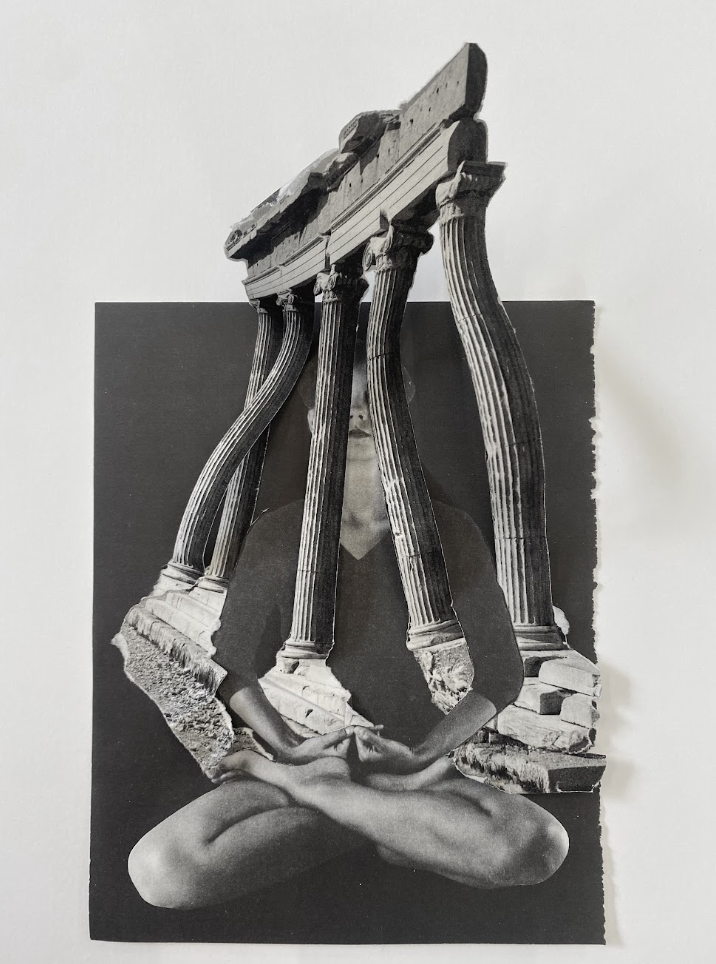
Curated by Katerina Gregos and ioLi Tzanetaki, the exhibition brings together twelve contemporary artists whose work engages with the visual languages, material remains and mythic narratives of classical archaeology. Through sculpture, painting, installation, film, collage and digital media, Fragments and Futures explores how ancient forms and artefacts continue to shape our cultural imagination while asking what it means to “unearth” the past today.
The exhibition also marks an important milestone: ten years of the Schwarz Foundation’s Visual Arts Programme under the curatorship of Katerina Gregos, in collaboration with ioLi Tzanetaki. Over the past decade, Art Space Pythagorion has become a distinctive platform for exhibitions that connect contemporary artistic practice with the unique historical, political and cultural context of Samos.
Drawing inspiration from the island of Samos’ rich archaeological heritage, Fragments and Futures considers archaeology not as a fixed record of history but as an active process of interpretation. In contrast to traditional presentations of classical antiquity as a closed canon of beauty and order, the exhibition examines how ruins, fragments, and material remains continue to generate new meanings, revealing the ways in which history is continually reconstructed, contested, and reimagined.
At the heart of the exhibition lies a fascination with the fragment. For the participating artists, what survives from antiquity is a point of departure for storytelling and critique. Fragments become spaces of possibility, where absence and incompleteness invite new ways of understanding the past and imagining the future.
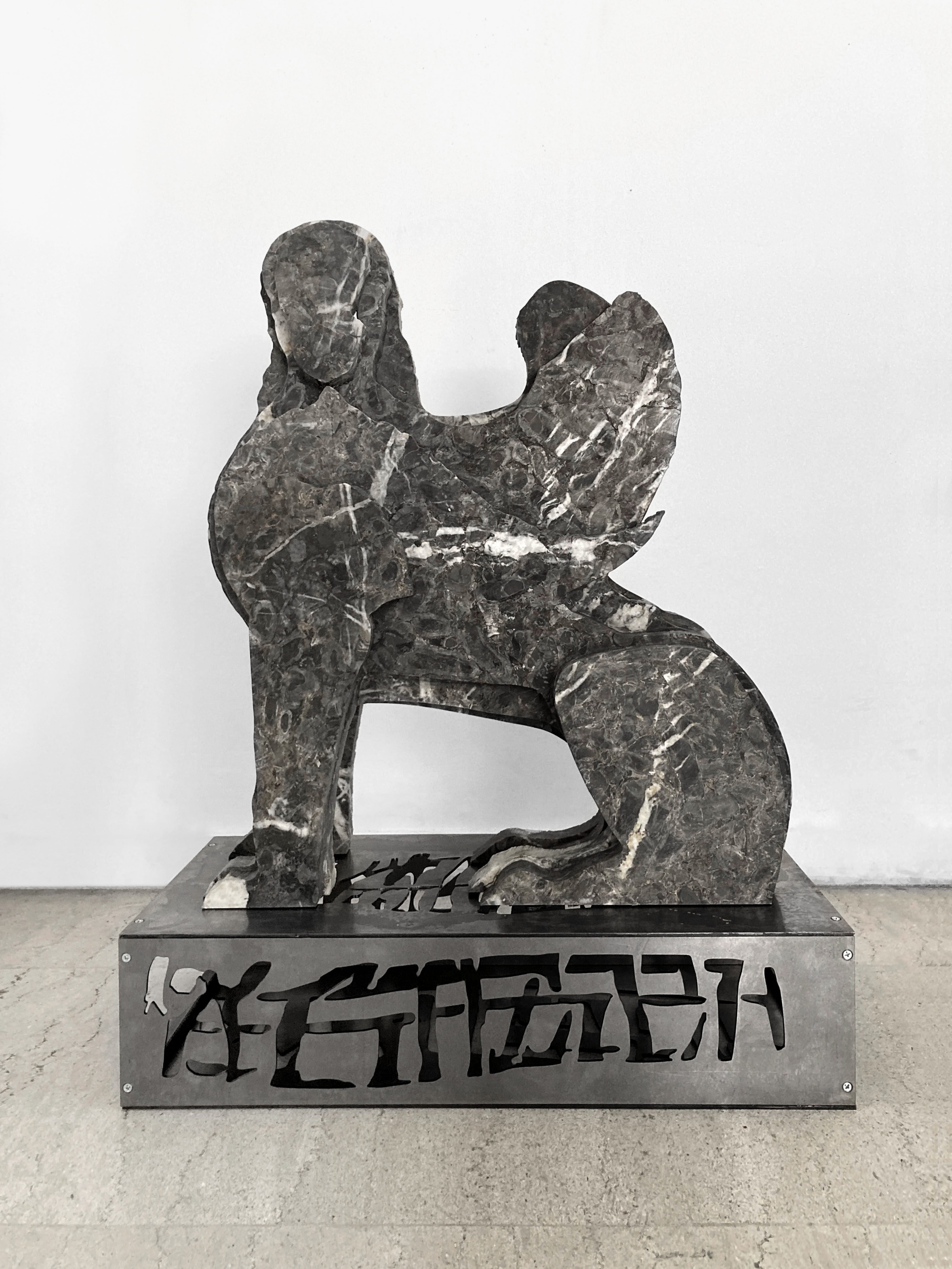
It also revisits myth and the classical body through contemporary perspectives. Familiar figures and narratives are reinterpreted through feminist, queer, and postcolonial lenses, while inherited ideas of beauty and power are questioned and transformed. Ancient materials such as marble, clay, and pigment enter into dialogue with digital technologies, including scanning, projection, and 3D production, revealing both continuity and rupture across millennia.
Many of the artists employ research-based practices that closely resemble those of archaeologists themselves, excavating archives, historical documents and material culture to uncover overlooked narratives and propose alternative histories. Their work also turns a critical eye towards the museum, examining how collections are assembled, displayed and interpreted, and asking whose stories are preserved, and whose remain absent.
The exhibition features works by Rosella Biscotti, Navine Dossos, Alexis Fidetzis, Hadjithomas & Joreige, Yiannis Hadjiaslanis, Natalia Manta, Chris Marker, Petros Moris, Panos Profitis, Theopisti Stylianou-Lambert & Alexia Achilleos, Lucia Tallová and Maarten Vanden Eynde. Together, they explore how contemporary art can illuminate the enduring relevance of archaeology as a means of understanding the present and envisioning possible futures.
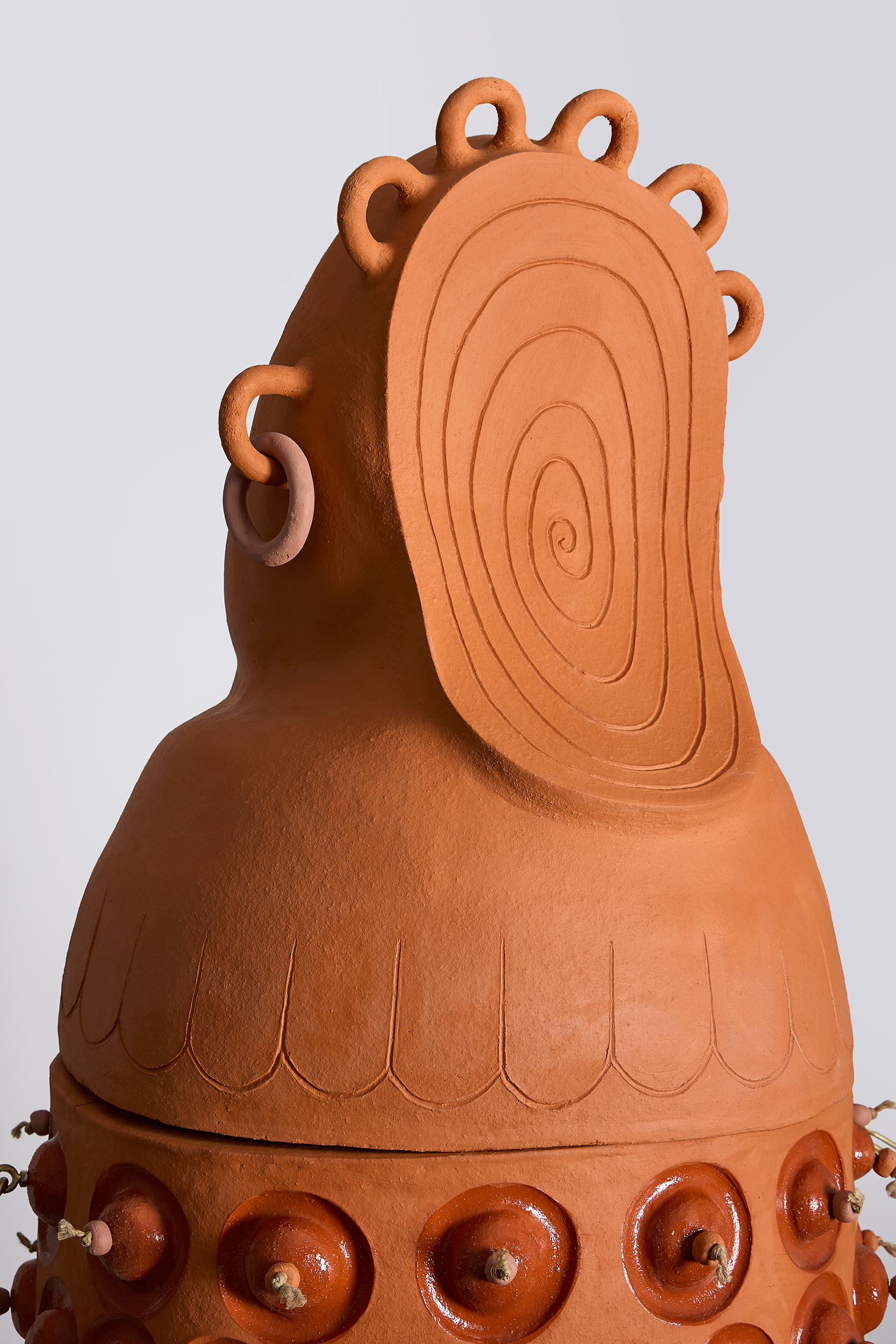
Situated on one of the Aegean’s most historically significant islands, Fragments and Futures invites visitors to experience contemporary art in dialogue with the landscape from which many of its questions emerge. As Samos welcomes visitors throughout the summer, the exhibition offers an opportunity to reflect on the histories we inherit, the narratives we preserve, and the futures we choose to imagine.
Fragments and Futures: Contemporary Encounters with Ancient Worlds is on view from 3 July – 30 September 2026 at Art Space Pythagorion, Samos, Greece.

